The Story
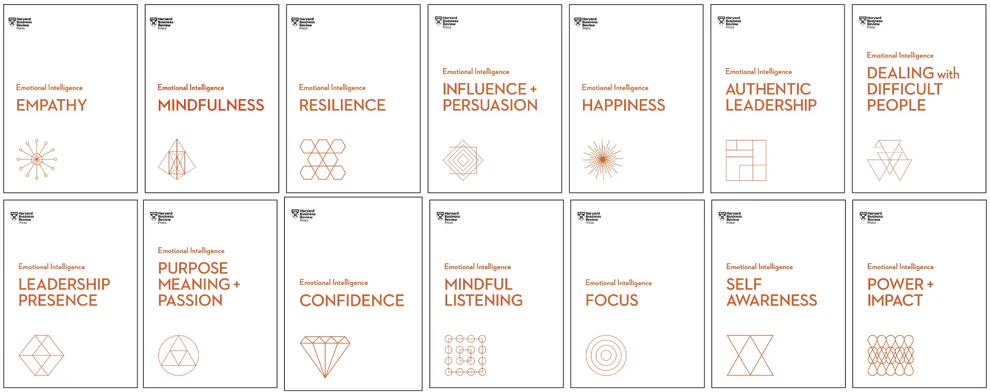
The HBR Emotional Intelligence Series offers concise, practical guides on key emotional intelligence skills—such as empathy, resilience, mindfulness, and leadership—that help professionals improve communication, decision-making, and workplace relationships to become more effective and fulfilled.
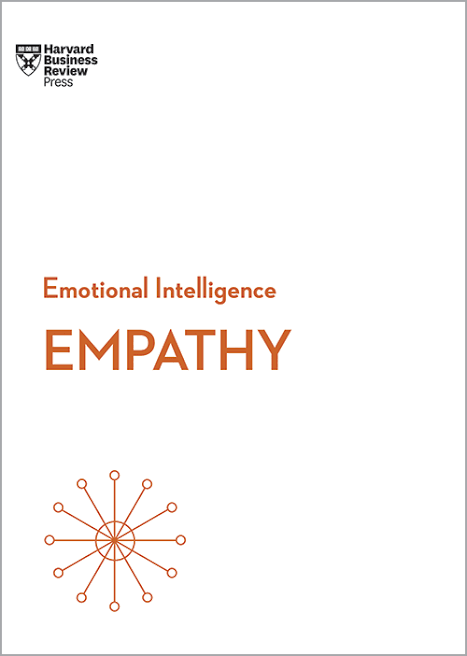
Empathy – Understanding others’ emotions strengthens relationships and leadership effectiveness.
Mindfulness – Being fully present enhances focus, reduces stress, and improves decision-making.
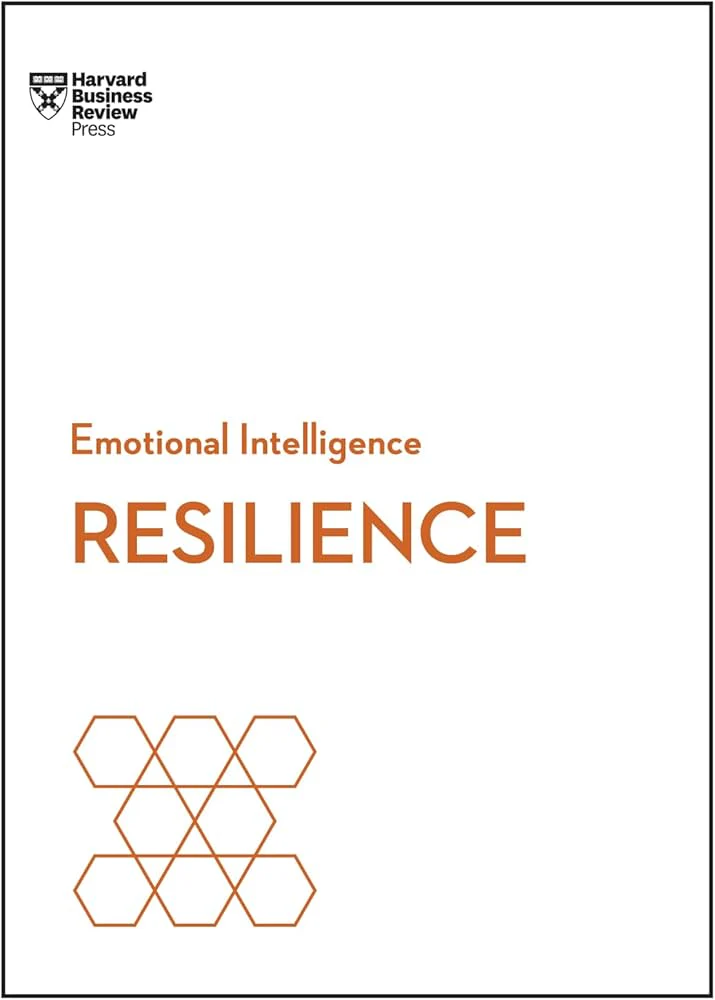
Resilience – Bouncing back from setbacks builds strength and adaptability in challenges.
Influence and Persuasion – Emotional intelligence enhances ethical and effective persuasion.
Happiness – Cultivating positive emotions boosts well-being and workplace performance.
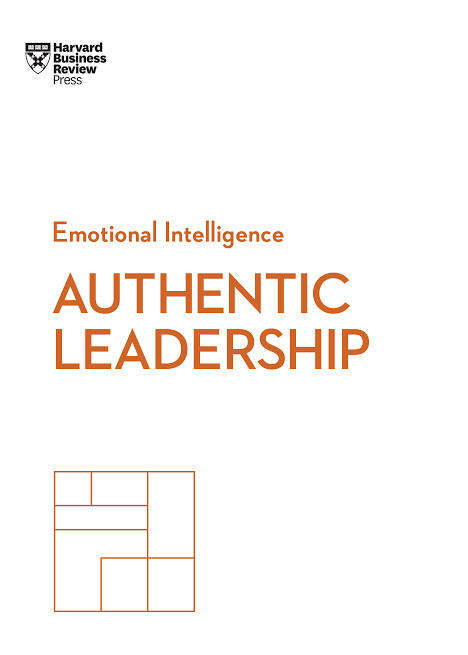
Authentic Leadership – Leading with integrity and self-awareness inspires trust and loyalty.
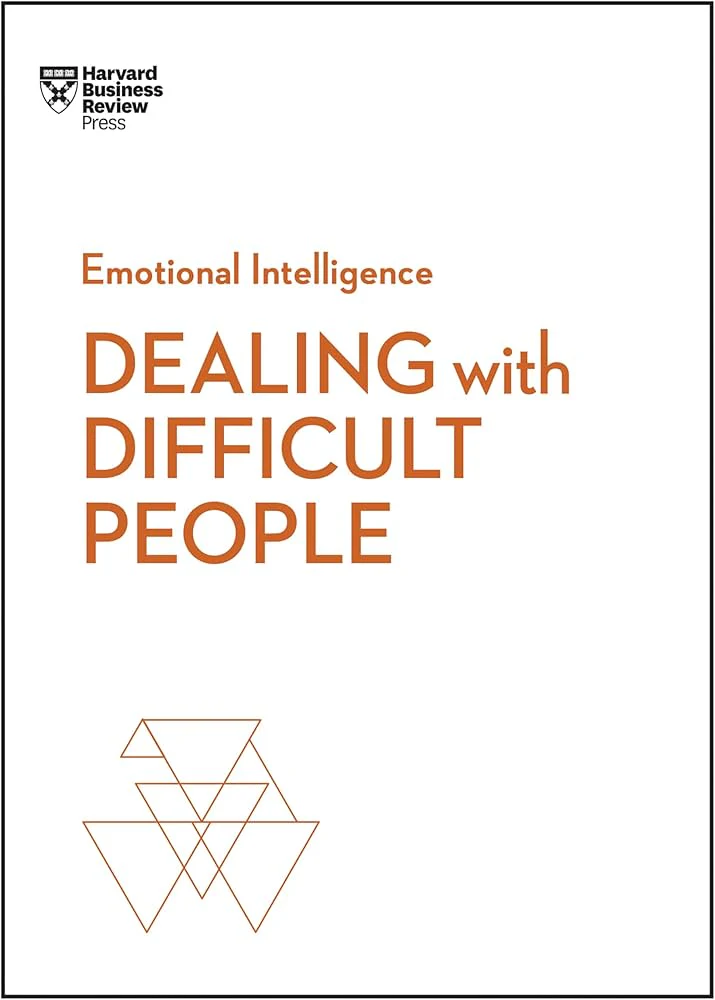
Dealing with Difficult People – Managing challenging behaviors with emotional skill eases conflict.
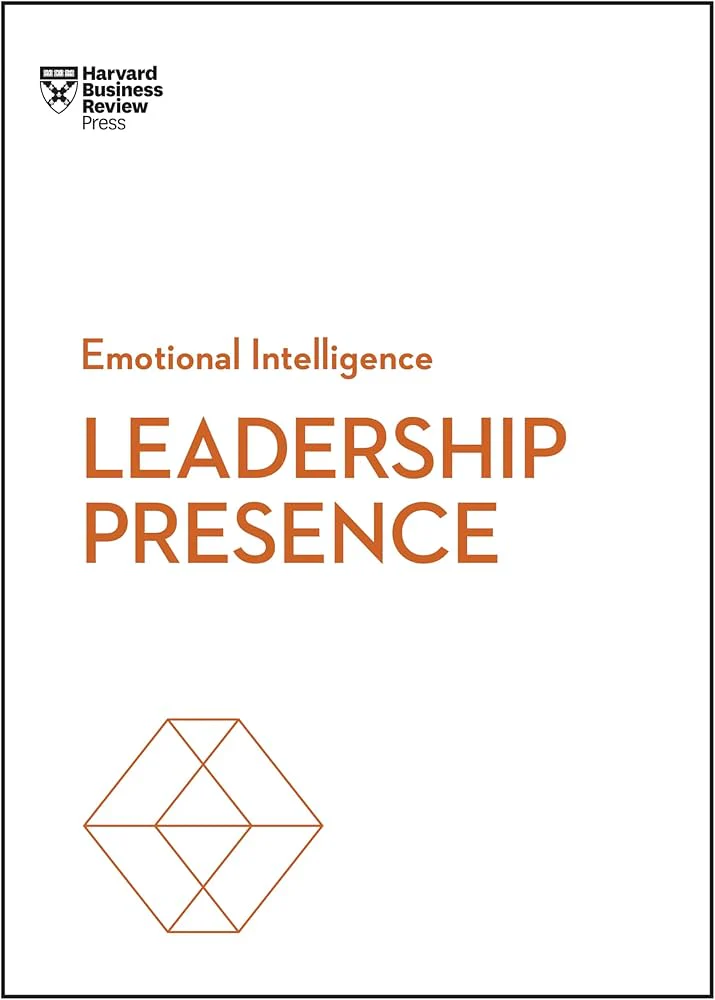
Leadership Presence – Projecting confidence and empathy creates impactful leadership.
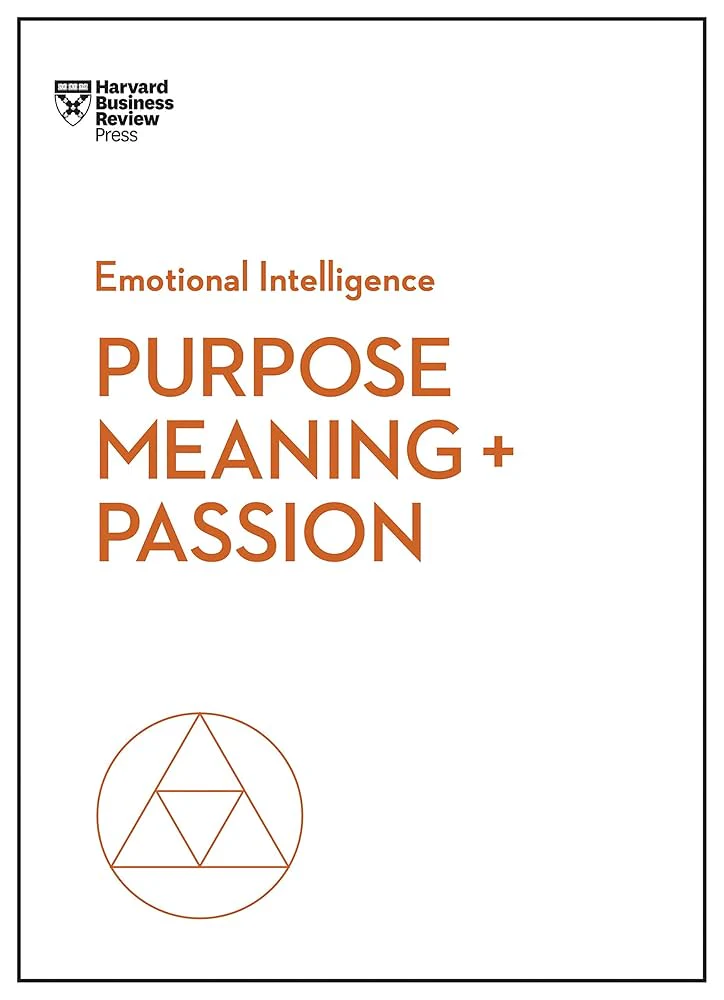
Purpose, Meaning, and Passion – Aligning work with personal values drives motivation and fulfillment.
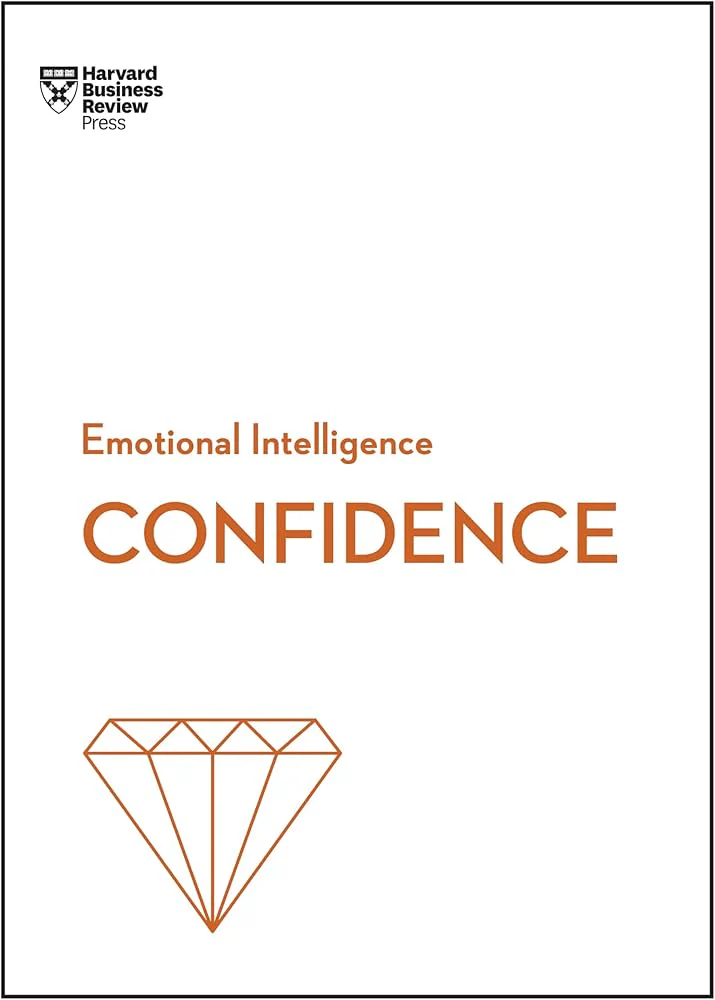
Confidence – Building genuine self-assurance helps overcome doubt and take initiative.
Mindful Listening – Fully attentive listening improves communication and connection.
Focus – Sustained attention and managing distractions increase productivity.
Self-Awareness – Knowing yourself enhances emotional insight and leadership capacity.
Power and Impact – Using influence responsibly maximizes leadership effectiveness.
Description
The HBR Emotional Intelligence Series offers concise, practical guides on key emotional intelligence skills—such as empathy, resilience, mindfulness, and leadership—that help professionals improve communication, decision-making, and workplace relationships to become more effective and fulfilled.
Empathy – Understanding others’ emotions strengthens relationships and leadership effectiveness.
Mindfulness – Being fully present enhances focus, reduces stress, and improves decision-making.
Resilience – Bouncing back from setbacks builds strength and adaptability in challenges.
Influence and Persuasion – Emotional intelligence enhances ethical and effective persuasion.
Happiness – Cultivating positive emotions boosts well-being and workplace performance.
Authentic Leadership – Leading with integrity and self-awareness inspires trust and loyalty.
Dealing with Difficult People – Managing challenging behaviors with emotional skill eases conflict.
Leadership Presence – Projecting confidence and empathy creates impactful leadership.
Purpose, Meaning, and Passion – Aligning work with personal values drives motivation and fulfillment.
Confidence – Building genuine self-assurance helps overcome doubt and take initiative.
Mindful Listening – Fully attentive listening improves communication and connection.
Focus – Sustained attention and managing distractions increase productivity.
Self-Awareness – Knowing yourself enhances emotional insight and leadership capacity.
Power and Impact – Using influence responsibly maximizes leadership effectiveness.