Original: $1.22
-65%$1.22
$0.43The Story
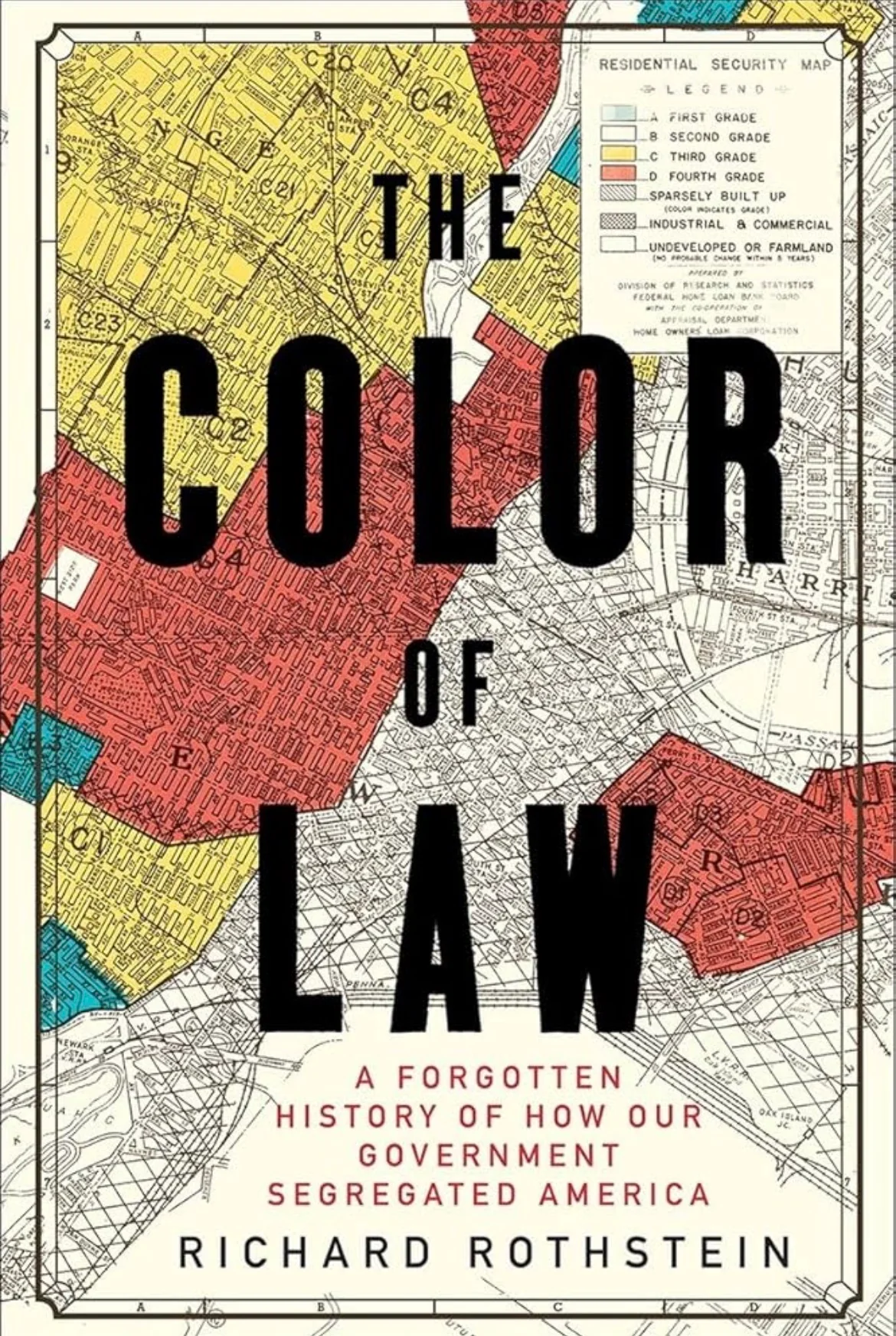
The Color of Law is a groundbreaking historical study that examines how government policies in the United States actively created and enforced racial segregation in housing. Historian Richard Rothstein challenges the common belief that segregation happened primarily because of individual choices or private discrimination.
Through detailed research, Rothstein demonstrates how federal, state, and local governments implemented laws and policies that restricted where Black Americans could live. Programs such as housing subsidies, zoning laws, and mortgage lending practices often excluded African Americans and reinforced racial divisions in American cities.
The book reveals how these policies shaped modern urban inequality and argues that understanding this history is essential for addressing contemporary social and economic disparities.
Description
The Color of Law is a groundbreaking historical study that examines how government policies in the United States actively created and enforced racial segregation in housing. Historian Richard Rothstein challenges the common belief that segregation happened primarily because of individual choices or private discrimination.
Through detailed research, Rothstein demonstrates how federal, state, and local governments implemented laws and policies that restricted where Black Americans could live. Programs such as housing subsidies, zoning laws, and mortgage lending practices often excluded African Americans and reinforced racial divisions in American cities.
The book reveals how these policies shaped modern urban inequality and argues that understanding this history is essential for addressing contemporary social and economic disparities.